Dog Training Glossary
Training comes with a lot of lingo. Here are the terms you’ll hear most, explained in plain English.
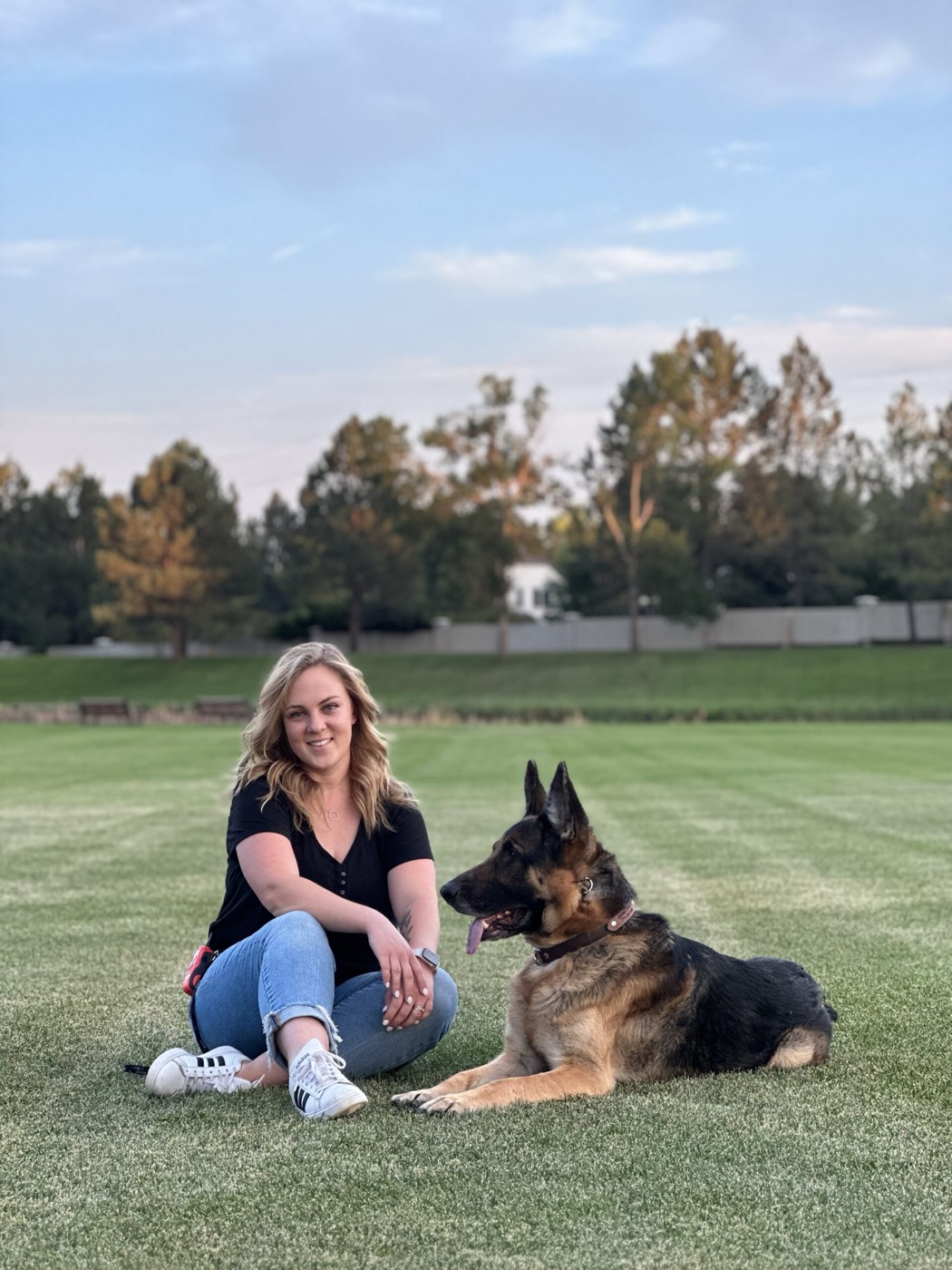 By MJ Stoltz, ABCDTIACP Professional MemberUpdated November 2026
B
- Balanced training
- An approach that combines rewards for good choices with some form of correction or consequence for unwanted ones. Trainers use the term in different ways, so it's worth asking any trainer exactly what tools and methods they use.
- Barrier reactivity
- Reactivity that happens mostly behind a window, fence, gate, screen or car window, like a dog who barks and charges the lanai screen when another dog walks by.
- Board & train
- A format where a dog lives with the trainer or at a facility for a period of time while the trainer does the training, then goes home to the owner.
C
- Canine Good Citizen (CGC)
- The American Kennel Club's test of everyday manners, such as accepting a friendly stranger, walking politely on a loose leash and staying calm around other dogs. Many therapy dog programs use it as a starting point.
- Counterconditioning
- Changing how a dog feels about something by pairing it with something they love. For example, the sight of another dog starts to predict treats, so over time it stops feeling like a threat.
D
- Desensitization
- Introducing a dog to something that worries them at a low enough level that they stay calm, then gradually increasing it. It's usually paired with counterconditioning.
H
- Homeschool training
- Highwater's in-home format where the trainer works with your dog at your home while you're at work or busy, then hands the skills over to you in a weekly private lesson.
I
- Impulse control
- A dog's ability to wait instead of rushing in: holding still for a door to open, waiting for a food bowl, not grabbing a dropped sandwich.
L
- Leave it
- A cue that means "don't touch that, look away." It's one of the most useful safety skills in Florida, for things like toads, dropped food and dead fish on the shore.
- Loose-leash walking
- Walking with slack in the leash instead of pulling. The dog doesn't need to stay glued to your side, it just isn't dragging you.
M
- Management
- Setting up your dog's environment so they can't practice an unwanted behavior while you're teaching a new one, like using a baby gate, closing blinds or changing walk times.
- Marker word
- A word like "yes" (or a click from a clicker) that tells a dog the exact moment they did something right, followed by a reward.
P
- Place
- A cue that asks a dog to go to a specific spot, like a bed or mat, and settle there until released. Handy for doorbells, dinner time and visitors.
- Positive reinforcement
- Adding something the dog likes, such as food, play or praise, right after a behavior so that behavior happens more often.
R
- Recall
- Coming when called. A reliable recall is one of the most important safety skills a dog can have.
- Reactivity
- An over-the-top reaction, such as barking, lunging, growling, spinning or freezing, to something like other dogs, people, bikes or cars. It's usually driven by fear, frustration or overexcitement.
- Resource guarding
- When a dog tries to keep people or other pets away from something they value, like food, toys, a bed or a person, by stiffening, growling, snapping or running off with it.
S
- Separation distress
- Stress a dog feels when left alone or apart from their people, which can show up as barking, whining, chewing, accidents or trying to escape. True clinical separation anxiety is less common than people think.
- Settle
- A dog's ability to relax and switch off, at home or out in public, without constant prompting.
T
- Threshold
- The point where a dog is too worried or excited to think or learn. Training happens "under threshold," where the dog notices a trigger but can still listen.
- Trigger
- Anything that sets off a dog's reaction, such as other dogs, men in hats, skateboards, golf carts or the doorbell.
Let’s Talk About Your Dog
Whatever’s going on with your dog, from a new puppy or basic manners to reactivity, anxiety, or a behavior that’s wearing you down, we’ll work through it together with training built around you, your dog, and your life.